


Arrival & Transport
Travelling to Gothenburg – Ease of access
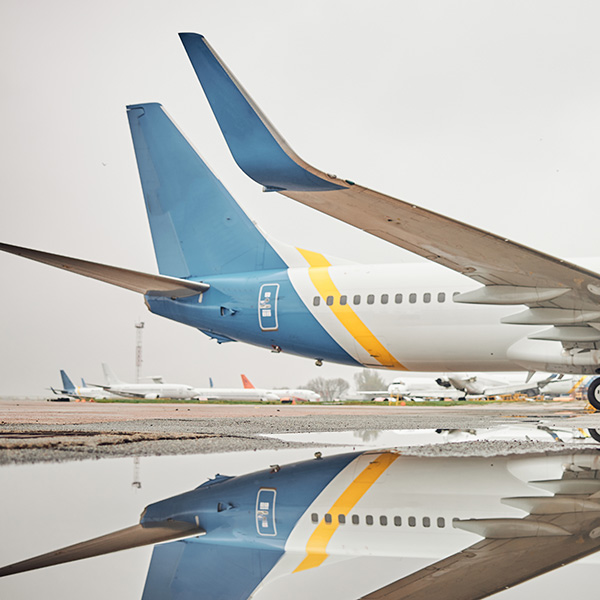
Arrival in Gothenburg
By air
Gothenburg Landvetter Airport is Sweden’s second largest airport. Offers 90 direct flights around the world, of which about fifty are scheduled and the rest are charter flights. With destinations ranging from Teheran to London, and Luleå to Las Palmas, covers three continents and more than twenty countries.
Close to five million travellers pass through its doors annually, with more than 75 percent taking international flights. In 2022 4.4 million passengers travel through Landvetter Airport.
For more information, please visit https://www.swedavia.com/landvetter/

By train
Many operators are running frequent services to and from the central station in Gothenburg, connecting the city with the Scandinavian capitals Stockholm, Oslo and Copenhagen. The journey times are just under 4 hours from Oslo, around 3 hours from Stockholm and 3,5 hours from Copenhagen. The trains from Denmark stop at Copenhagen international airport, making it a convenient option to fly there and catch the train to Gothenburg.
There are apps that make it easier to plan and book train trips across Europe, as the follow two:
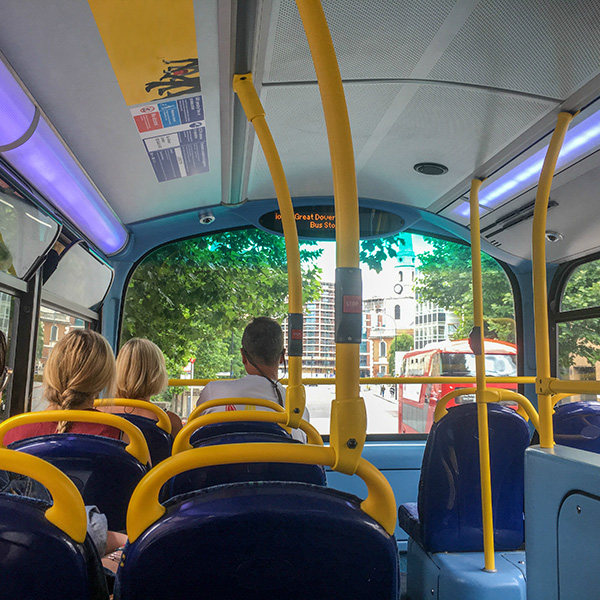
By bus
The bus terminal Nils Ericssonterminalen is serviced by long distance and express bus companies like Flixbus and Vybuss. You can easily get travel to Gothenburg from major cities in Sweden and Scandinavia. The journey time is around 3,5 hours from Oslo, 6,5 hours from Stockholm, 3,5 hours from Malmö and 5 hours from Copenhagen.
Travel by bus in West Sweden with public transport company Västtrafik.

By car
The European highway routes E6, E20 and E45 pass through Gothenburg, making it easy to arrive by car. For updated information on events, road works, and other factors that may affect traffic and travel routes, please visit trafiken.nu/goteborg (information in Swedish) or Google Maps.
Getting to city centre
Getting from the Landvetter Airport to the city centre
Bus
The VY Flygbussarna Airport Coaches bus departs every 15 minutes and offers free Wi-Fi. A single bus ticket, from Airport to Gothenburg City (Nils Ericson Terminal) costs around 119 SEK. Travel time estimated to around 40 minutes and journey includes two stops at Svenska Mässan and Liseberg (Korsvägen).
The VY Nettbuss Bus4You buses are made for long distance travel and there are Wi-Fi, power outlets, WC and AC on board. When traveling with Nettbuss Bus4You and Nettbuss express you need to buy a ticket, costs around 121 SEK, prior to departure. The ticket can’t be purchased onboard the bus. A ticket can be purchased through website, via telephone, via ticket machines or through resellers. For more information regarding tickets, categories and additional services visit https://www.vybuss.com/Tickets/.
Taxis
Taxis can be found just outside the arrival hall. Free price setting applies to taxi rides in Sweden since the taxi market is deregulated. Choose the company and car that best suits you, you do not need to take the car that is first in line. Always ask if the taxi company applies fixed prices. If you have received a fixed price, it should be entered and visible in the taxi meter before your journey starts. The taxi meter must be activated throughout your journey.
Taxi Göteborg is the largest and oldest taxi company in West Sweden. For more information visit https://www.taxigoteborg.se/en/booking.
Car rental
Through collaboration of Swedavia with Auto Europe, you can easily search for the lowest prices and the best offers from local and large car rental companies.
You can search for and compare prices on rental cars using the form here.
Local Transportation
Public transport in Gothenburg is operated by Sweden’s second largest transport association, Västtrafik. In addition to buses, trains and trams, Västtrafik also operates the passenger ferries to the Gothenburg archipelago. Trams, buses and boats are included in public transport ticket/card.
All tickets and travelling cards can be purchased at any of the public transport operator Västtrafik’s sales outlets, or in the app To Go. The outlets are recognised by their blue flags and façade décor. Most of them are kiosks like Pressbyrån and 7-Eleven, or grocery stores.
A single ticket is available from 35 SEK. If you do want to buy your ticket on board the following applies:
– On the trams: Buy your ticket on board from the ticket machine, only card payment available.
– On the city buses: You can’t buy tickets on board. In other words, please pre-purchase your ticket.
– On the southern archipelago boats (boats from the stop Saltholmen and Stenpiren): Pay in cash or by card to the staff on board.
– On the river boats: Pay the staff on board. They only accept cards, not cash.
In the City’s Official Page, there is a dedicated area for Practical Information about how to Get Around by bus or train, public transportation around the town and getting to the archipelago, while you can always visit (digitally and physically) the Gothenburg Visitor Centre.