

Social Life
Social Life
In harmony with its rich cultural heritage, Gothenburg stands out for its creative and intense social life. This can be broken down into three parts: dining, nightlife, and shopping.
Gothenburg is the second largest city in Sweden, with its history dating back to 1621 where it was founded by Gustav Adolf II. Today has an exciting mix of historic buildings and contemporary architecture design as the Opera House or the Skanska Skyscraper.
With Gothia Towers as a base, you have the perfect starting point to experience the city with the proximity to shopping, good food & drinks, family-friendly activities, wonderful spa or a walk in the park and a coffee in a cozy cafe.
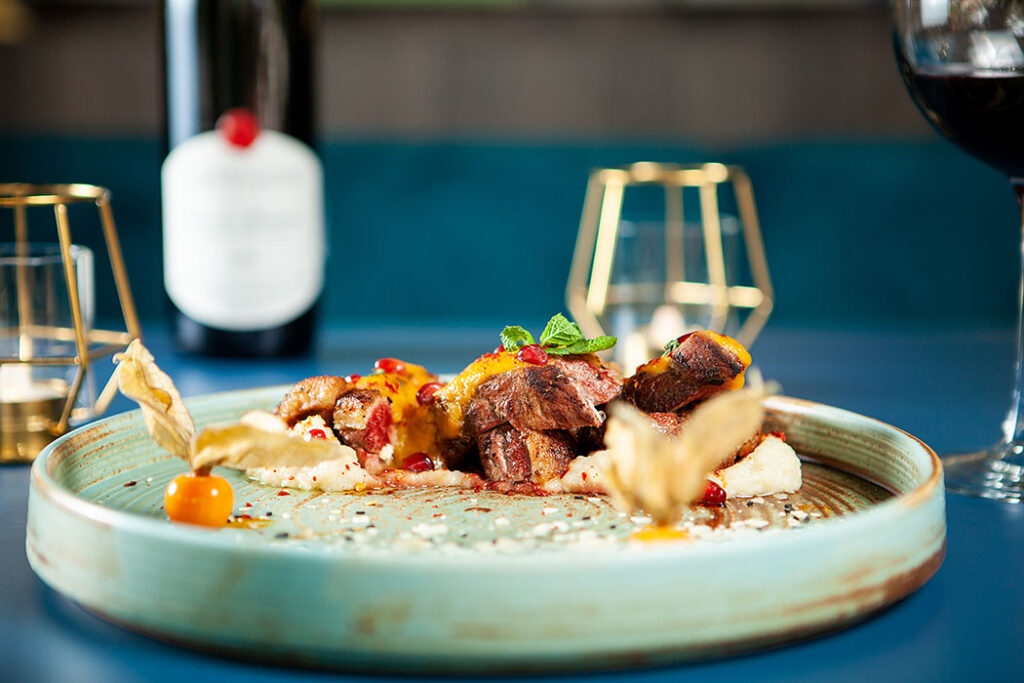
Gastronomy
Gothenburg’s location on the Swedish west coast enables restaurants with world-class seafood. Combined with a relaxed vibe and a strong sustainable profile, the city possesses an intriguing mix of Michelin restaurants, food trucks and everything in between.
Local and seasonal produce from small-scale farms is the rule rather than the exception, especially among Gothenburg’s Michelin-starred restaurants.
Gothenburg’s restaurant scene is vibrant and new places are opening all the time. The area around Magasinsgatan is a particularly sizzling hotspot for locals to eat and drink out.
Many fine restaurants in Gothenburg have their roots in traditional Swedish cooking. For example, they serve the traditional and rustic Swedish homely fare called husmanskost – sometimes with a modern twist.

Shopping
Stroll around town and explore small indie shops, international stores and large malls. Gothenburg has an established fashion design scene and many local brands. The city has everything you need for a successful shopping spree, and a good cup of coffee is never far away.
Gothenburg is a real treasure trove of trendy fashion, unique vintage finds, gorgeous home decorations and expensive antiques. As Sweden’s second city, is home to many classic department stores, modern galleries and charming independent boutiques.
Famous places to go for shopping in Gothenburg are:
- Avenyn boulevard. A sprawling street with plenty to offer, from antiques and decor to flowers and wool
- Magasinsgatan. A street teeming with fashion boutiques, interior design stores and vintage spots which primarily stock local and Swedish brands.
- Victoria Passage (Victoriapassagen). An elegant shopping arcade packed with charming shops and specialty boutiques, and a nice refuge from the hustle and bustle outside.
- Arkaden. A centrally located shopping mall with around twenty shops spread over three floors. Entrances are located on several streets around the city centre, just a few minutes away from Central Station.
- Frölunda Torg. A shopping centre boasting more than 200 stores where you’ll find everything from beauty and fashion to sports and technology. The shopping centre is located in the district of Västra Frölunda which is easily reached from the centre of Gothenburg along tramlines 1, 7 or 8.
- The Antique Halls (Antikhallarna). Home to around a dozen stores selling several thousand unique antiques and collectors’ objects such as furnishings, porcelain, old coins and art. Are located around half a mile away from Central Station.
- Nordstan. With around 200 stores within fashion and accessories, health and beauty, home and décor, the shopping centre is located in central Gothenburg, just a few minutes’ walk from the Central Station.

Night Life
Gothenburg is a city that pulsates with a captivating blend of culture, music, and a distinctive Scandinavian charm. Beyond its picturesque canals and verdant parks lies a realm that truly awakens after dusk. As soon as the moon takes its throne in the night sky, the streets of Gothenburg come alive!
Is often called Sweden’s craft beer capital, but the nightlife includes much more. Venture away from the city’s parade street, Avenyn, and you’ll discover a range of bars and clubs bursting with creativity and energy. Avenyn is both trendy and timeless. Here you will find clubs that have been there forever, where time stands still – except on the dance floor.
Around the square Järntorget, the streets Långgatorna, and in the Linné neighbourhood, you’ll find the more alternative side of the nightlife, focused on music and culture.
Visit lively jazz clubs, unique theme bars, family-friendly arcades or attend a huge sporting event.