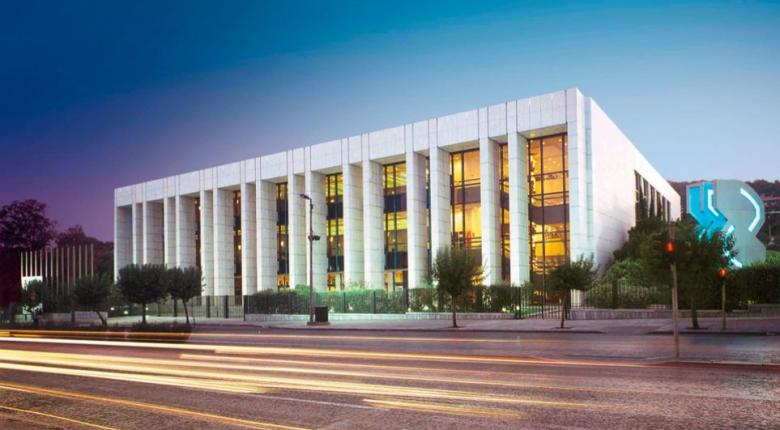
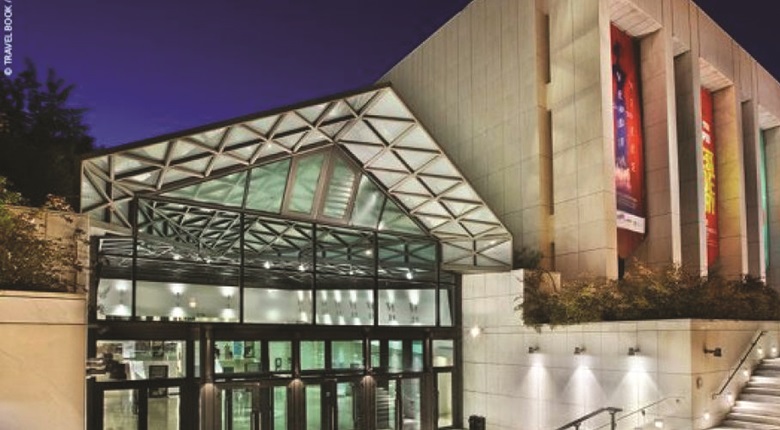
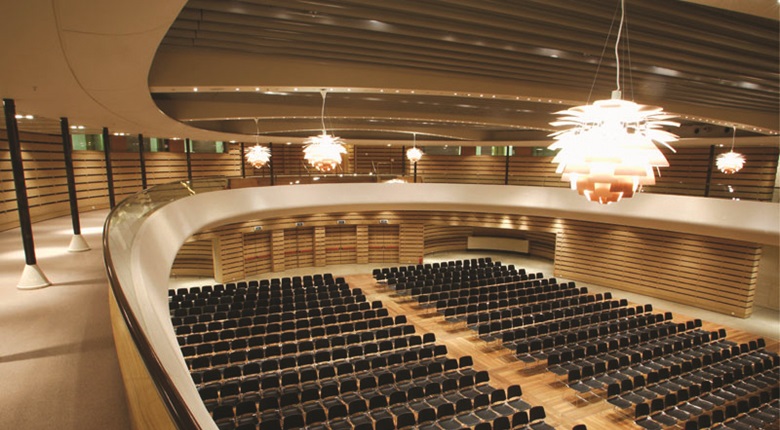
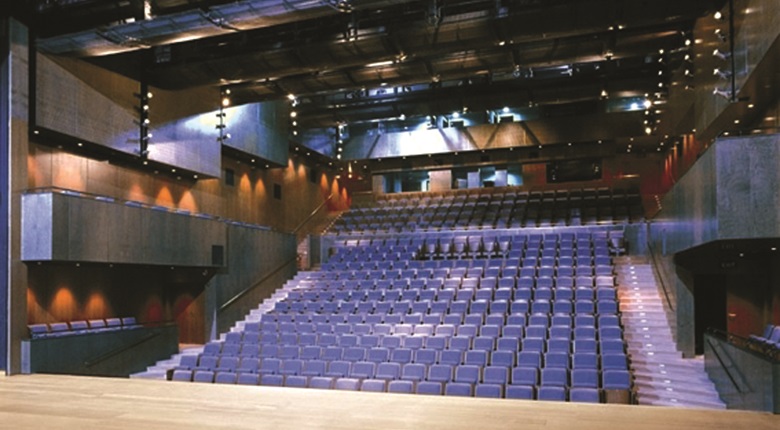
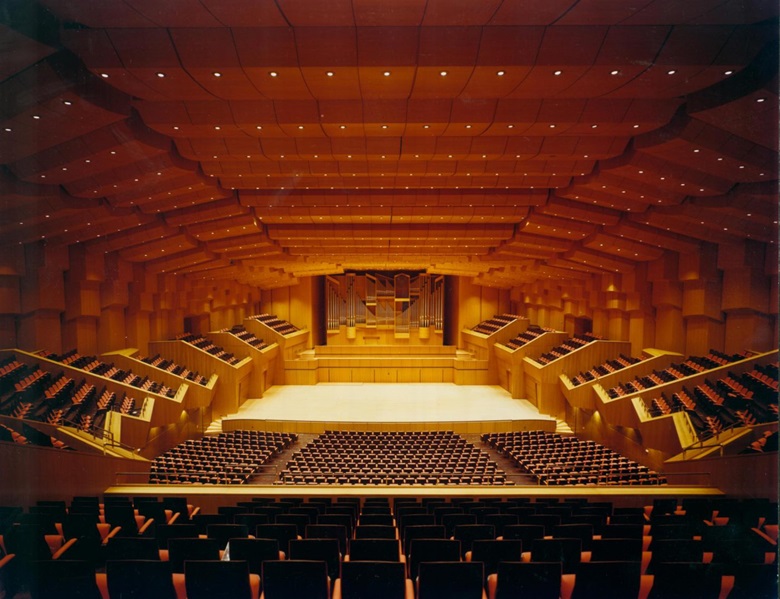
Χώρος διεξαγωγής Συνεδρίου

Το Μέγαρο Μουσικής Αθηνών-Διεθνές Συνεδριακό Κέντρο  αποτελεί έναν εξαιρετικό, σύγχρονο χώρο συνεδρίων και εκδηλώσεων υψηλής αισθητικής και τεχνολογίας. Σημείο αναφοράς για την πόλη, το Μέγαρο, συνολικής έκτασης 143.000 τ.μ., προσφέρει ευρεία επιλογή από δεκαοκτώ αίθουσες συνεδριάσεων καθώς και άνετους λειτουργικούς εκθεσιακούς χώρους και μεγαλοπρεπή φουαγιέ των 12.000 τ.μ. Η συνολική χωρητικότητά του είναι 6.000 σύνεδροι, ενώ η μεγαλύτερη συνεδριακή αίθουσα μπορεί να φιλοξενήσει σχεδόν 2.000 άτομα.
Επιπλέον, διαθέτει πάρκινγκ 750 θέσεων, συνδέεται με το μετρό της Αθήνας και απέχει μόλις 35 λεπτά από το αεροδρόμιο Ελ. Βενιζέλος. Βρίσκεται στο κέντρο της Αθήνας και σε κοντινή απόσταση με ξενοδοχεία όλων των κατηγοριών, μουσεία, αξιοθέατα, καταστήματα και εστιατόρια.

Tο Μέγαρο Διεθνές Συνεδριακό Κέντρο Αθηνών, από την αρχή της λειτουργίας του, έχει φιλοξενήσει με επιτυχία σημαντικά διεθνή συνέδρια και εκθέσεις, και είναι μέλος των συνεδριακών ενώσεων AIPC και ICCA.

Parking

3€ οι 3 πρώτες ώρες και μετά 1€ ανά ώρα
Ημερήσια κάρτα 5€ με μία είσοδο και μία έξοδο (πρέπει να σταματήσει το ΙΧ στην είσοδο για να την προπληρώσει)
Ημερήσια κάρτα 12€ με πολλαπλές εισόδους / εξόδους (πρέπει να σταματήσει το ΙΧ στην είσοδο για να την προπληρώσει)

Διευκολύνσεις για Αμεα

Από τους εξωτερικούς χώρους του Μεγάρου Διεθνούς Συνεδριακού Κέντρου Αθηνών μέχρι το εσωτερικό του υπάρχει η δυνατότητα μετακίνησης των ατόμων μειωμένης κινητικότητας. Επίσης, υπάρχουν ειδικά σχεδιασμένοι χώροι υγιεινής σε όλα τα επίπεδα του κτιρίου.
Η πρόσβαση στις αίθουσες Νίκος Σκαλκώτας, Banqueting καθώς και στα foyer αυτών γίνεται από τη ράμπα στη νέα είσοδο από την οδό Βασ. Σοφίας. Από εκεί μέσω ανελκυστήρων και ραμπών δίνεται πρόσβαση σε όλες τις αίθουσες.

Αίθουσες Συνεδριάσεων

Κύριες Συνεδριακές: Banquet, Ν. Σκαλκώτας
Παράλληλες Αίθουσες: MC2, MC3
Εκθεσιακός Χώρος & Χώρος Αναρτημένων Ανακοινώσεων: Foyer Ν. Σκαλκώτας

Dr. Jurado-Fasoli

Dr. Jurado-Fasoli is an Assistant Professor in the Department of Physiology at the University of Granada, Spain, and a researcher at the Sport and Health University Research Institute (iMUDS). He holds a PhD in Biomedicine from the University ofGranada and is a Registered Dietitian-Nutritionist. His research focuses on human physiology, nutrition, dietary supplementation, and exercise, particularly in relation to metabolic health and performance. He has authored more than 80 peer-reviewed scientific papers, many in top-quartile journals, and has received several distinctions, including the Best Doctoral Thesis Award (2023–2024) from the Spanish Society of Physiological Sciences. Dr. Jurado-Fasoli has conducted research stays in leading institutions such as Yale University, Leiden University Medical Center, and Chalmers University of Technology, and has active collaborations with international research groups. His work aims to advance precision nutrition strategies for improving health and physical performance.

Prof. Eric Robinson

Eric is a Professor of Psychology & Public Health at the University of Liverpool, UK. His research examines how food policy can be used to improve population diet and reduce obesity. His work has directly informed and evaluated national dietary policy, as well as being recognised by the World Obesity Federation (Outstanding New Faculty Member, 2016) and leading national, European and international scientific societies (2010-2024).

Dr. Mark Hopkins

Dr. Mark Hopkins is an Associate Professor of Nutritional Physiology and an UKRI Future Leaders Fellow within the School of Food Science & Nutrition, University of Leeds, UK. His work aims to link whole-body metabolism and psychological function with human behavior to gain a better understanding of how eating behavior is shaped by our physiology, and how these relationships are altered under differing conditions of energy balance. In particular, he is interested in 1) the relationships between body composition, energy expenditure and appetite control, 2) the role of fat-free mass and resting metabolic rate on the control of appetite, 3) the impact of exercise on appetite control, and 4) the biological and behavioral compensatory mechanisms that resist diet and exercise-induced weight loss.
Mark has published extensively in the areas of human appetite, energy balance and obesity, with >100 peer-reviewed research articles, a Scopus H-index of 35 (Google Scholar = 42), and >3900 Scopus citations (Google Scholar >6600). He has successfully obtained £4.9 million in research funding, including £2.4 million as PI (UKRI Future Leaders Fellowship; Wellcome) and £2.5 million as Co-I (National Institute for Health Research; White Rose University Consortium). He has authored two expert position statements on exercise and appetite control for the British Association of Sport & Exercise Sciences (the professional body for sport and exercise sciences in the UK) and is an author on the recent American College of Sports Medicine’s consensus statement on Physical Activity and Excess Body Weight and Adiposity for Adults. He is the Network Lead for the Association for the Study of Obesity Yorkshire Region, and a steering committee member for the BBSRC ORIC Research Hub, INFORM, and the Movement and Physical Activity Interdisciplinary Research Network at the University of Leeds, UK.